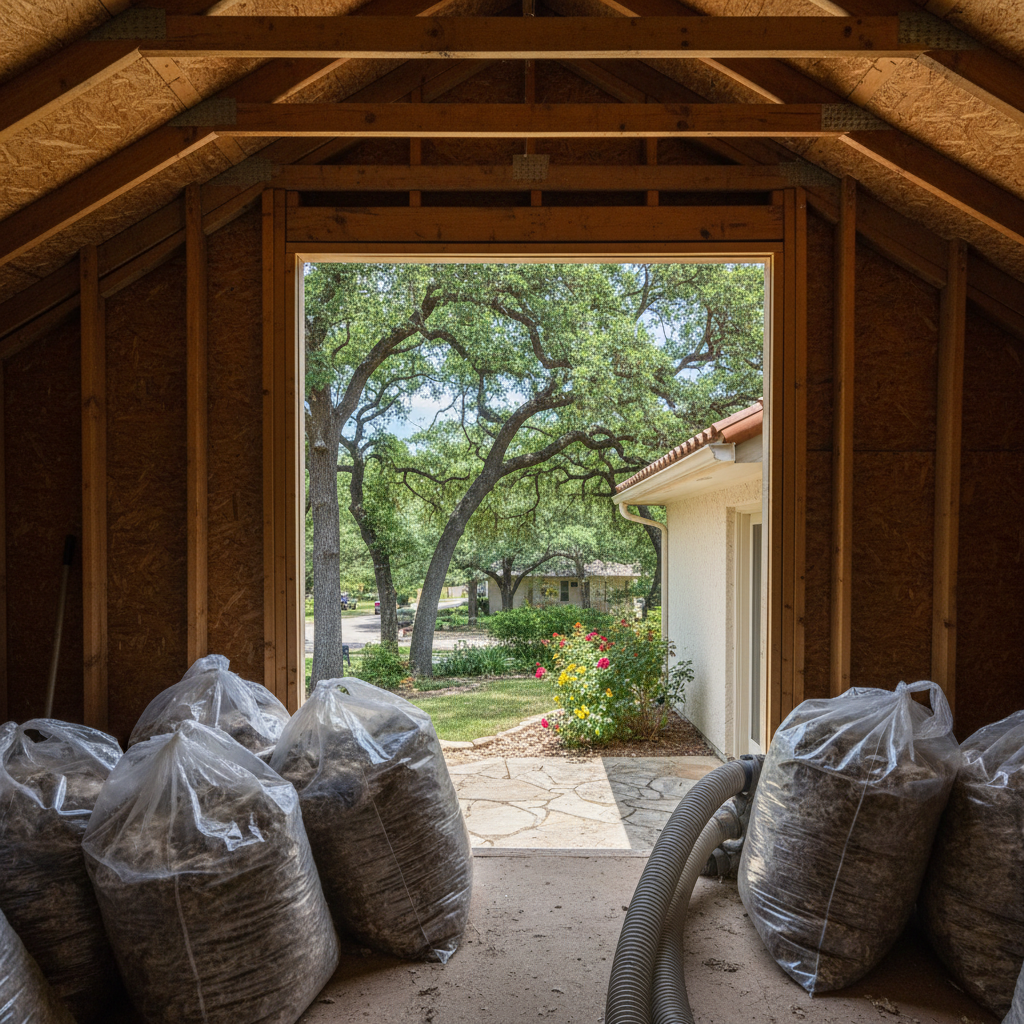
Alright, so you're thinking about getting rid of that old, dusty, maybe even critter-infested insulation in your attic. Good call. Upgrading your insulation is one of the best things you can do for your home's comfort and your wallet, especially with our wild San Antonio weather. But here's the thing: when you pull out the old stuff, timing matters. A lot.
Why Timing Your Insulation Removal is Key in San Antonio
You might think, "Insulation removal, who cares when it happens? Just get it done." But I've seen enough attics in Alamo Heights and Stone Oak to tell you that's not how it works. Our climate here in San Antonio, with its scorching summers and surprisingly chilly winters, means we gotta be smart about this.
When we're pulling out old insulation, your attic is basically exposed. If it's 105 degrees outside, that attic turns into an oven in minutes. If it's a cold, damp January day, you're losing heat like crazy. So, the goal is to minimize the time your home is vulnerable to the elements.
The Best Times to Schedule Insulation Removal
From my experience, there are definitely sweet spots in the year for this kind of work.
- Spring (March - May): This is probably the absolute best window. Temperatures are usually mild, not too hot, not too cold. We get some nice breezes, and the humidity hasn't cranked up to full blast yet. It makes the work safer for my crew and less disruptive for your home.
- Fall (Late September - November): Another great option. Once those brutal summer temps finally start to drop, and before the real winter chill sets in, it's a good time. You avoid the extreme heat, and we're not battling freezing temps.
What about summer and winter? Can it be done? Sure, but it's tougher. In summer, we're dealing with extreme heat, which means shorter work windows for safety and more heat transfer into your home. In winter, especially if we get one of those cold snaps with temps in the 20s, your heating system will be working overtime to compensate for an uninsulated attic, and you'll feel it in your energy bill.
Weather Conditions We Watch Out For
It's not just the season; specific weather plays a huge role too. We're always checking the forecast before we start a job, especially for insulation removal.
- Rain: This is a big one. We absolutely cannot remove insulation if there's active rain or if the forecast calls for heavy downpours. Wet insulation is a nightmare – it's heavier, messier, and can cause damage if it gets into your living space. Plus, you don't want a gaping hole in your attic or roof if we have to pull things back to access the space, and it starts pouring.
- High Winds: San Antonio can get some gusty winds, especially during spring storms. High winds can make it dangerous for my crew on your roof, and it can also blow insulation fibers and dust all over the place, which we definitely want to avoid.
- Extreme Temperatures: As I mentioned, both extreme heat and extreme cold make the job harder and less comfortable for everyone involved. We're professionals, we'll get it done, but if we can pick a milder day, that's always better for efficiency and your home's comfort.
Protecting Your Investment Year-Round
Once that old insulation is out and the new stuff is in – hopefully, some top-notch spray foam from us at San Antonio Spray Foam Insulation – you've made a big investment. You want to make sure it keeps doing its job for years to come. Here's what you can do:
- Keep Your Attic Dry: This is paramount. Leaky roofs are the enemy of insulation. Get any roof leaks fixed immediately. Even small, slow leaks can lead to moldy, compressed insulation that loses its R-value.
- Ensure Proper Ventilation: A well-ventilated attic helps regulate temperature and moisture, which protects your insulation. This is especially important in our humid climate. Hot, stagnant air in the summer can bake your insulation, and moisture can lead to issues.
- Seal Up Critter Entry Points: Rodents, birds, raccoons – they love to nest in insulation. Not only do they make a mess, but their waste can degrade insulation and introduce health hazards. After we've cleaned out the old stuff, make sure any entry points are sealed up tight. We can often help identify these during our initial assessment.
- Don't Store Too Much Up There: While attics are great for storage, piling heavy boxes directly on top of insulation can compress it, reducing its effectiveness. Try to keep pathways clear and avoid crushing the insulation.
- Regular Inspections: Every couple of years, take a peek in your attic (or have a professional do it). Look for signs of moisture, pests, or compressed areas. Catching problems early can save you a lot of headaches and money down the road.
Look, getting your insulation right isn't just about throwing some material in the attic. It's about smart planning, understanding our unique San Antonio climate, and then protecting that investment. If you're thinking about an insulation upgrade, give us a call. We'll walk you through the best plan for your home, no matter the season.