Why would I even need to remove my insulation? Can't I just add more?
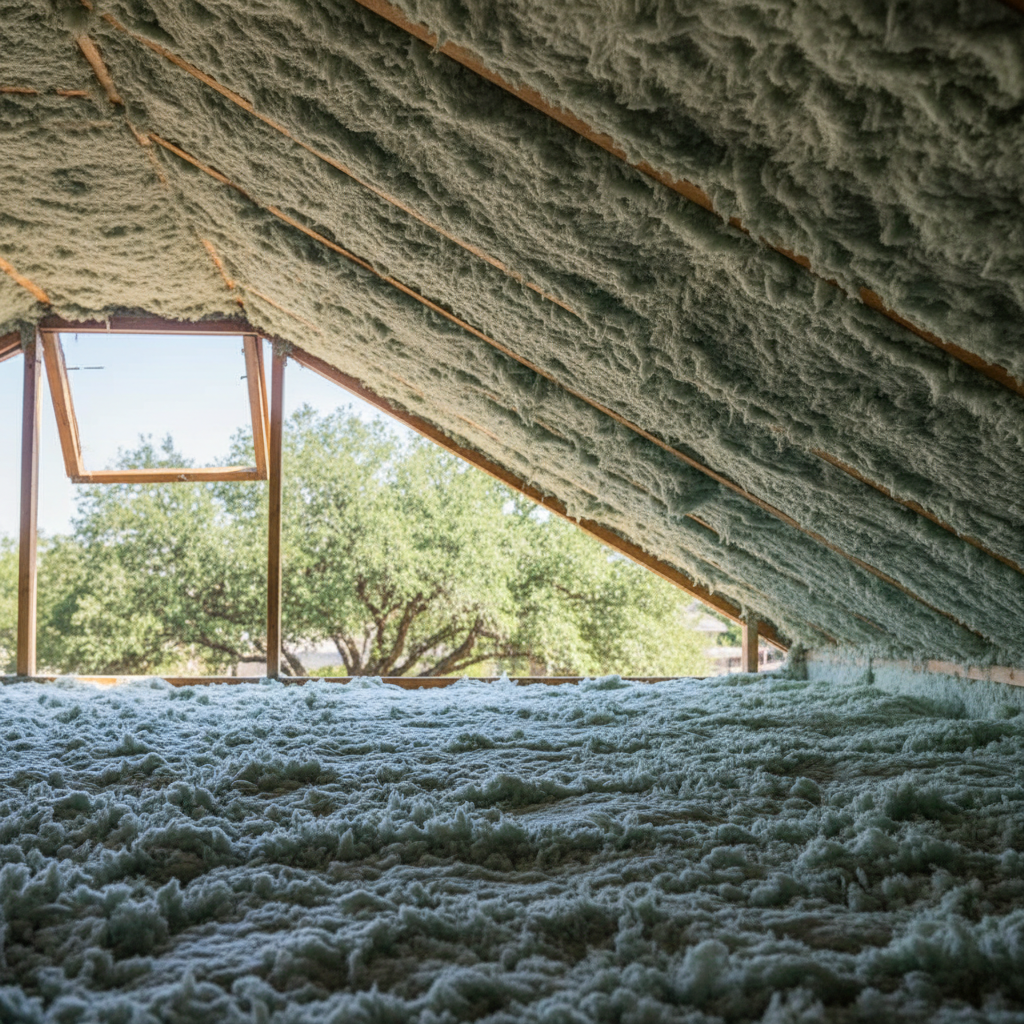
That's a question I hear a lot, and it's a good one. Sometimes, yeah, you can just add new insulation on top. But there are plenty of situations where removing the old stuff is absolutely necessary. The biggest one? Contamination. If you've had rodents, pests, or even bats in your attic, their droppings and nesting materials can make your insulation a health hazard. You don't want that stuff circulating through your home's air. Water damage is another biggie. Leaky roofs, plumbing issues, or even just high humidity can turn insulation into a moldy, ineffective mess. Once insulation gets wet and stays wet, it loses its R-value, meaning it's not doing its job anymore, and it can grow mold, which is a whole other problem. Sometimes, folks just have really old, degraded insulation that's settled, become dusty, or isn't up to modern energy efficiency standards. If you've got vermiculite, that's another story entirely – it often contains asbestos, and that needs professional removal.
What's the process for removing old insulation? Is it messy?
Look, it's not a clean job, but we've got ways to keep the mess contained. The main method we use is a specialized, high-powered vacuum system. Think of it like a giant shop-vac, but way more robust, with a long hose that goes from your attic straight out to a collection bag or dumpster on our truck. This setup minimizes dust and debris inside your home. We'll lay down drop cloths, seal off access points, and make sure everything's protected. For dense or matted insulation, sometimes we'll have to manually bag it up first. It's labor-intensive, no doubt about it, especially in those tight San Antonio attics that get scorching hot in the summer. But the goal is always to get every last bit out cleanly and safely.
How long does insulation removal take?
That really depends on a few things: the size of your attic, the type of insulation, and how much of it there is. A smaller attic with blown-in cellulose might only take a few hours. A larger, more complex attic with dense fiberglass batts, or one that's heavily contaminated, could take a full day, sometimes even two. Access plays a big role too. If we're crawling through tight spaces or dealing with low-pitch roofs common in some of the older bungalows around Southtown, it's going to take longer. We'll give you a clear estimate once we've had a look.
Can I remove insulation myself to save money?
I get why you'd ask that. Everyone wants to save a buck. But honestly, this isn't a DIY job I'd recommend for most homeowners, especially if there's any chance of contamination. You're dealing with dust, potential allergens, mold spores, and possibly even asbestos depending on the age and type of insulation. You need proper personal protective equipment – respirators, full body suits, eye protection – not just a dust mask. Plus, you need the right vacuum equipment to do it effectively and prevent spreading contaminants throughout your house. A regular shop vac just isn't gonna cut it; it'll clog and blow dust everywhere. Then there's the disposal. You can't just toss contaminated insulation in your regular trash. It's a specialized waste. For your health and sanity, it's usually best to leave this one to the pros like us at San Antonio Spray Foam Insulation.
What about the cost? Is insulation removal expensive?
The cost varies, just like the time it takes. It's generally priced by the square foot, but factors like the depth of insulation, the type of material, and the level of contamination (e.g., rodent droppings requiring biohazard protocols) can affect the final price. Attic accessibility is a big one too. If we're working in a tight, hard-to-reach space, that adds to the labor. It's an investment, for sure, but think about what you're getting: a clean, healthy attic space ready for new, efficient insulation. You're removing potential health risks and setting your home up for better comfort and energy savings down the line. We'll always give you a transparent quote upfront.
Do I need to leave my home during the removal process?
For most standard insulation removal jobs, you don't necessarily have to leave your home. We take precautions to seal off the work area and minimize dust and debris from entering your living space. However, if there's significant mold, extensive pest contamination, or if we're dealing with suspected asbestos-containing materials (like vermiculite), then yes, for your safety, we'd strongly recommend you and your family vacate the premises until the work is complete and the area is cleared. We'll discuss this with you clearly during the initial assessment so you can plan accordingly.
What happens after the old insulation is gone?
Once all the old insulation is removed, your attic will be bare. This is actually a great opportunity! It allows us to inspect your attic deck, check for any hidden issues like roof leaks, damaged wiring, or structural problems that might have been covered up by the old insulation. It's also the perfect time to address any air sealing needs. Plugging up those tiny gaps and cracks where air leaks in and out of your home is crucial for maximizing the effectiveness of your new insulation. After that, we're ready to install your brand-new, high-performance insulation, whether that's spray foam, blown-in cellulose, or fiberglass. You'll definitely notice the difference in your home's comfort and your energy bills once it's all done.